

What is Zoning and How Does it Impact Cities?
Zoning, in technical terms is the subdividing of districts into designated uses for each parcel of land. There are many different zoning types ranging from single family residential housing to industrial and commercial zoning. For example, if one parcel is zoned as single-family residential, only single family homes are permitted (and approved by the city) to be located on the property. Zoning typically happens in clusters, meaning in most cases you will not see an industrial building right next to a single family home. Zoning is the historical practice that we still see governing cities today, for better or worse.
When in the context of housing, there are a few types of zoning to look out for:
Single-Family Residential: One detached home per lot. This remains the dominant zoning type across much of Dallas and many Fort Worth neighborhoods.
Multifamily Residential: Allows duplexes, townhomes, apartments, and condominiums that provide more housing options.
Mixed-Use: Combines housing, shopping, restaurants, and offices in the same area or even within the same building, creating more walkable neighborhoods.
When it comes to zoning and city development, many recent city planners have felt the negative effects of zoning. When a vacant plot of land is available, there could be endless possibilities for what can be built there: more housing, retail, or public greenspace. This would be the case if the land wasn’t already labeled by what the zoning says for it. Now, the possibilities are not endless; rather, they are already pre-determined. To create flexibility for city development, many cities are undergoing what is called “zoning reform”.
To learn more about zoning reform from the planners themselves:

Dallas and its Reforming Development Code
Dallas is one of the major cities that anchors DFW and North Texas, which is why this city undergoing zoning reform is so impactful for the region. Currently, Dallas has a robust supply and regulations for single-family residential housing. These factors limit diversity of housing stock and force the city to only develop one thing on the zoned piece of land.
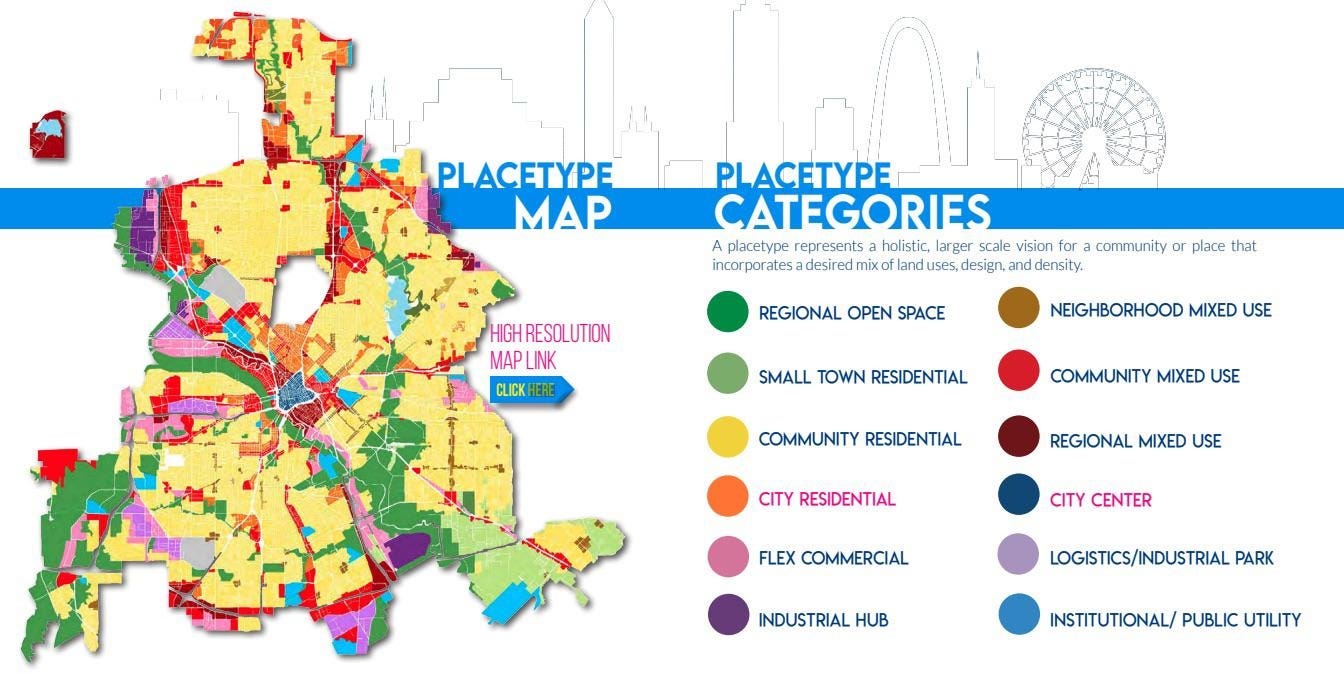
Dallas is undergoing a major zoning development code change.
The goals the city will achieve from this reform include:
Encourage a wider range of housing options that can meet the diverse needs of our community.
Promote sustainable growth patterns that strengthen our neighborhoods.
Make the development process more accessible, predictable, and transparent.
Modernize outdated zoning rules and old approaches that no longer serve our community.
Strike a thoughtful balance between preservation and progress.
Share Your Voice
Throughout the zoning reform process, the city of Dallas wants to hear public feedback. Community comments allow for municipal leaders to make decisions with public feedback in mind. Click here to submit a comment to the reform team! A member of the team will then respond to the comment. Public comments are made available every few months, found here. Dallas has also implemented in person events for the public to submit their comments. Find all upcoming events here!
Maybe here include a few sentences about dallas zoning reform public comment process, the link to submit, and their zoning block parties that are happening - good to get readers to action!
The Future of Fort Worth
When SB 15 went into effect, it changed how Fort Worth will have to go about future developments. SB 15 meant new homes could be built on smaller lots, leading to an increase in housing supply. This law affects Fort Worth because any new single-family developments cannot be required to be over 1,400 square feet based on previous zoning mandates (which was once the precedent for Fort Worth and its code). Larger municipalities cannot enforce the creation of larger houses on larger lots with new developments. This change in zoning requirements and standards will provide an increased housing stock in the major city while still keeping the home affordable.
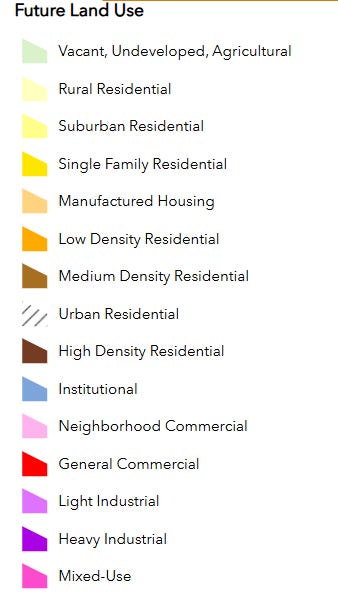
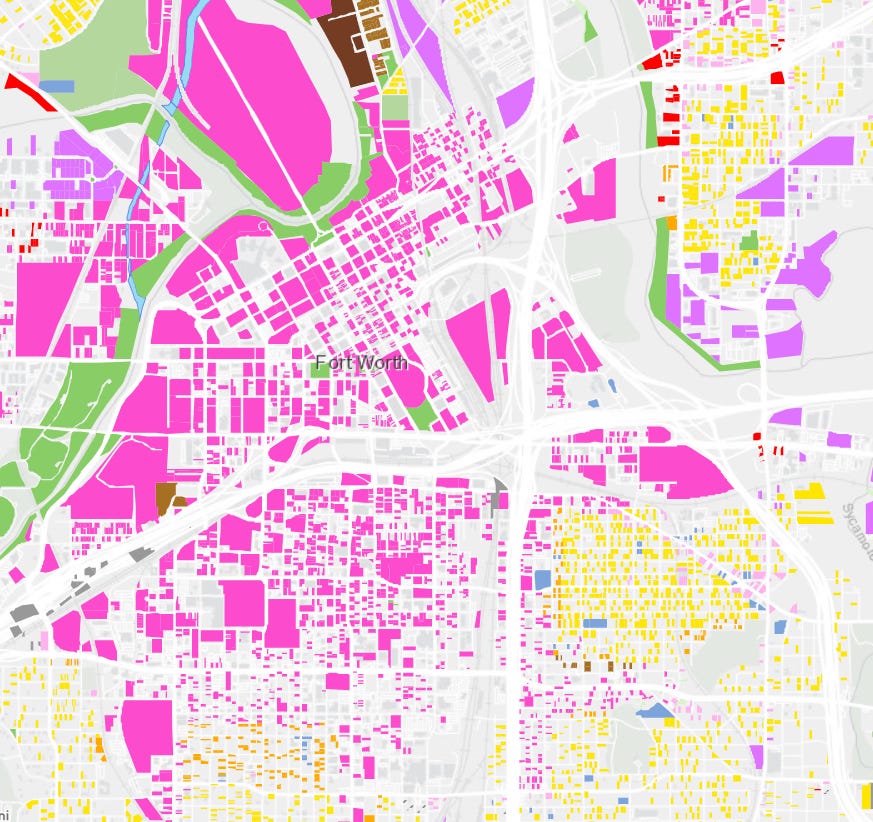
Fort Worth has a heavy emphasis on its downtown area and development of the annexed land surrounding the city. Many mixed use projects have been approved by city council to provide a diverse stock of housing, especially near downtown and other amenities.
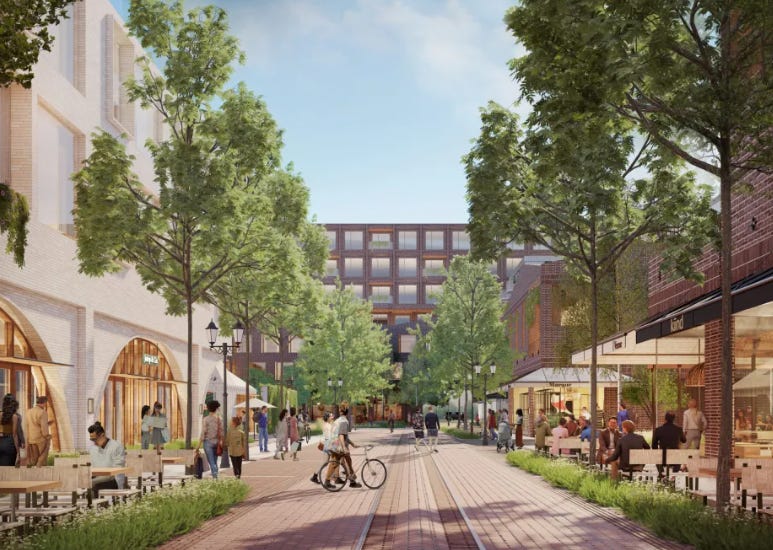
By implementing mixed use projects and reform to zoning within Fort Worth, it allowed the city to have intentional development when it comes to meeting housing demands. Housing development at the core of the city allowed for new residents to have access to these amenities at an affordable rate. Bringing housing to the downtown of the city will boost Fort Worth’s housing supply, positively impact economic development, and all of this results from updated zoning codes.
Zoning Reform Impacts on Housing
When cities like Dallas and Fort Worth that have had a long-standing zoning code do an overhaul of the ordinances, creating reform, it changes the dynamic of the future of housing. Developments on a piece of land that was once strictly single family or commercial can now be many different things. Flexibility is created when cities do zoning reform like Dallas and Fort Worth are beginning to do. Greater zoning flexibility means we will begin to see a diverse housing stock once new developments are able to go underway.
Written by Lauren Castilleja
Edited by TFH Team