
The Missing Middle Matters
How small-scale housing can meet different community needs and expand the choices many neighborhoods are missing.

The Missing Middle: Why Different Housing Types Serve Different Community Needs
For decades, American cities have approached housing as a simple choice between single-family homes and large apartment buildings. But this narrow approach has left out an entire category of housing that once existed naturally in neighborhoods across the country. Often called “missing middle housing,” these types include duplexes, triplexes, fourplexes, townhomes, cottage courts, and small courtyard buildings. They are modest in scale, compatible with existing neighborhoods, and capable of serving a wide range of households. Today, their absence is not accidental. It is the result of decades of zoning rules, parking requirements, and building codes that made them difficult or even illegal to build.
Why the “middle” Matters
Missing middle housing fills a critical gap in affordability and choice. Nationally, about 64.8 million households cannot afford a $250,000 home, and only around 38 percent of homes are affordable to median-income families. At the same time, most new housing falls at the extremes. This mismatch has real consequences for whether people can afford to stay in their communities, find starter homes, or adapt their housing as their lives change. By adding smaller, more attainable units and spreading land costs across multiple households, these housing types can lower per-unit costs while still fitting within existing neighborhoods.
Understanding the Different Housing Types
Not all housing types serve the same purpose, and that is exactly why having a mix matters. Some homes are better at blending into existing neighborhoods, while others are better at adding more housing in places where demand is higher.
Photo credit: Missing Middle Housing
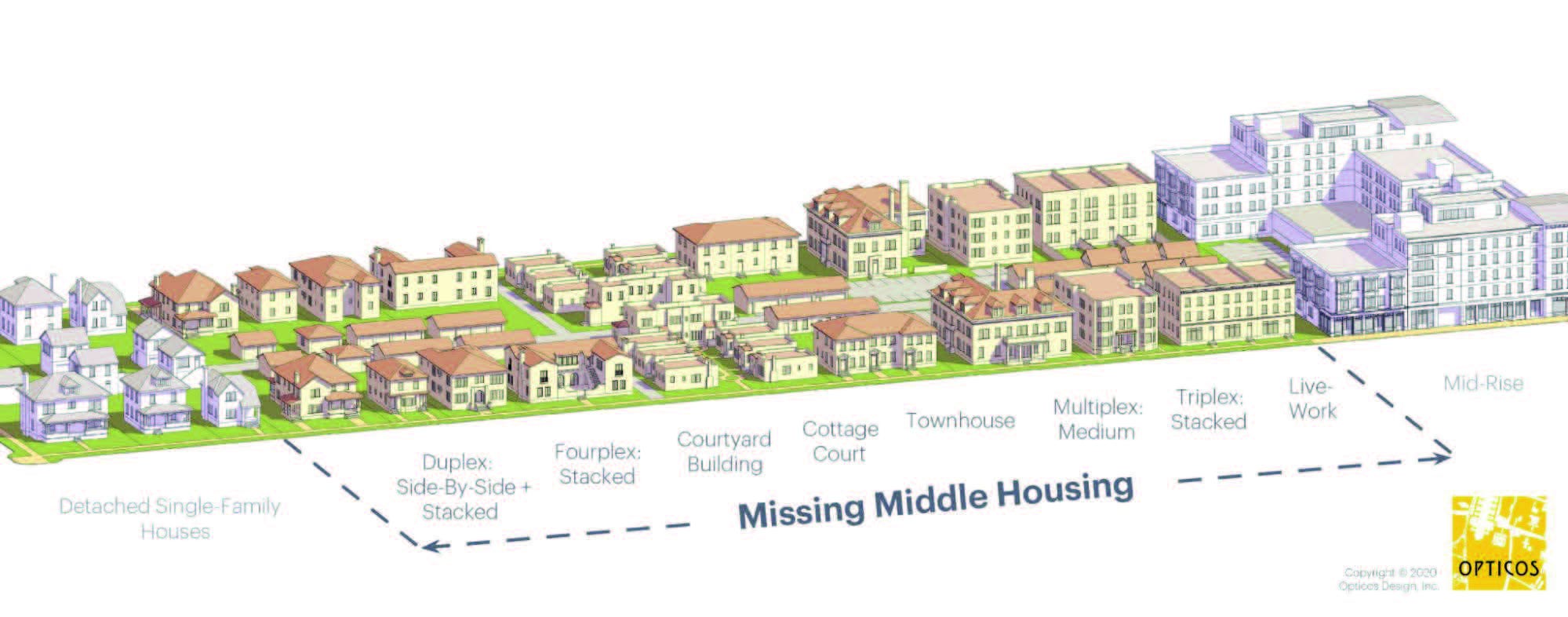
Small-scale homes that blend in
A duplex is one of the simplest examples. It is just two homes in one building, either side-by-side or stacked. Because it often looks like a single-family house, it can add housing in a way that feels almost unnoticeable while still doubling how many people can live on a lot. Triplexes and fourplexes take this a step further by adding more units without getting much bigger. A fourplex, in particular, can fit several homes on a standard lot, making it one of the most efficient ways to create lower-cost housing without large redevelopment.
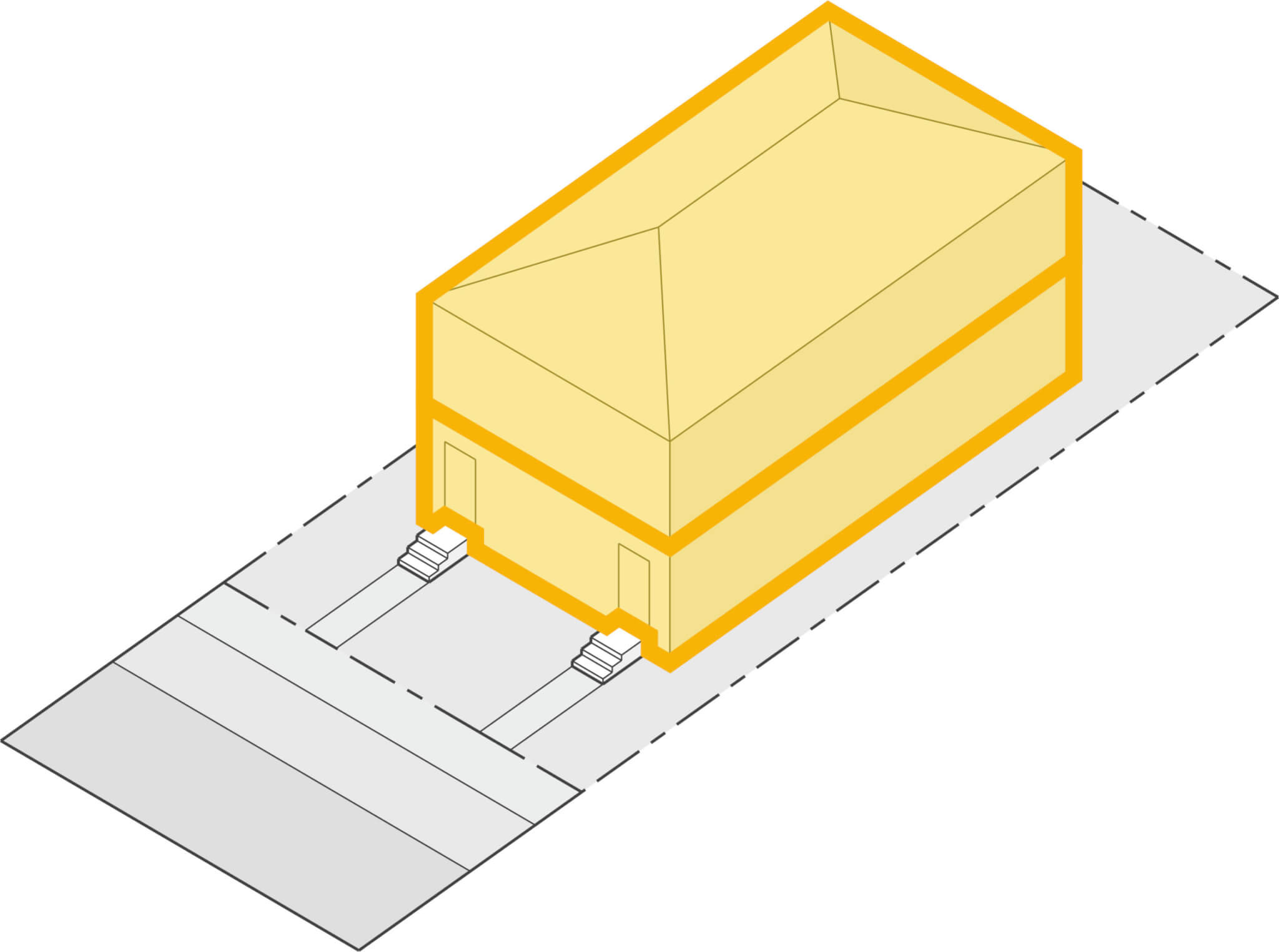
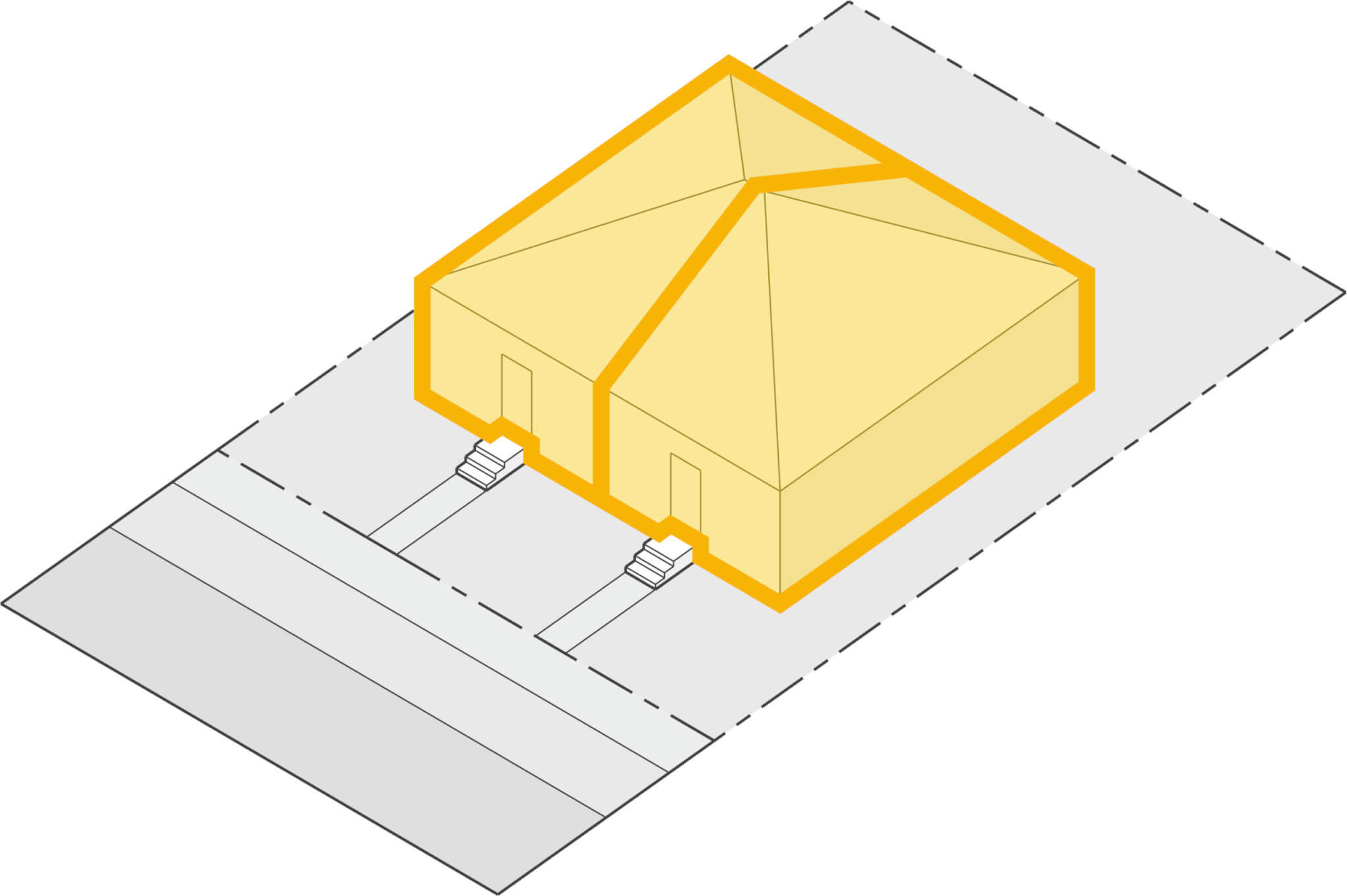
Photo credit: Missing Middle Housing (L: stacked duplex, R: side-by-side duplex)
Homes designed for growing areas
Townhomes serve a different role. They are attached homes, usually built next to each other, and often sit on individual lots. This makes them more space-efficient and a common option in fast-growing cities where land is limited. They are also one of the more accessible paths to homeownership. In places like Houston, townhomes have become very common because they can be built on smaller lots while still being sold individually.
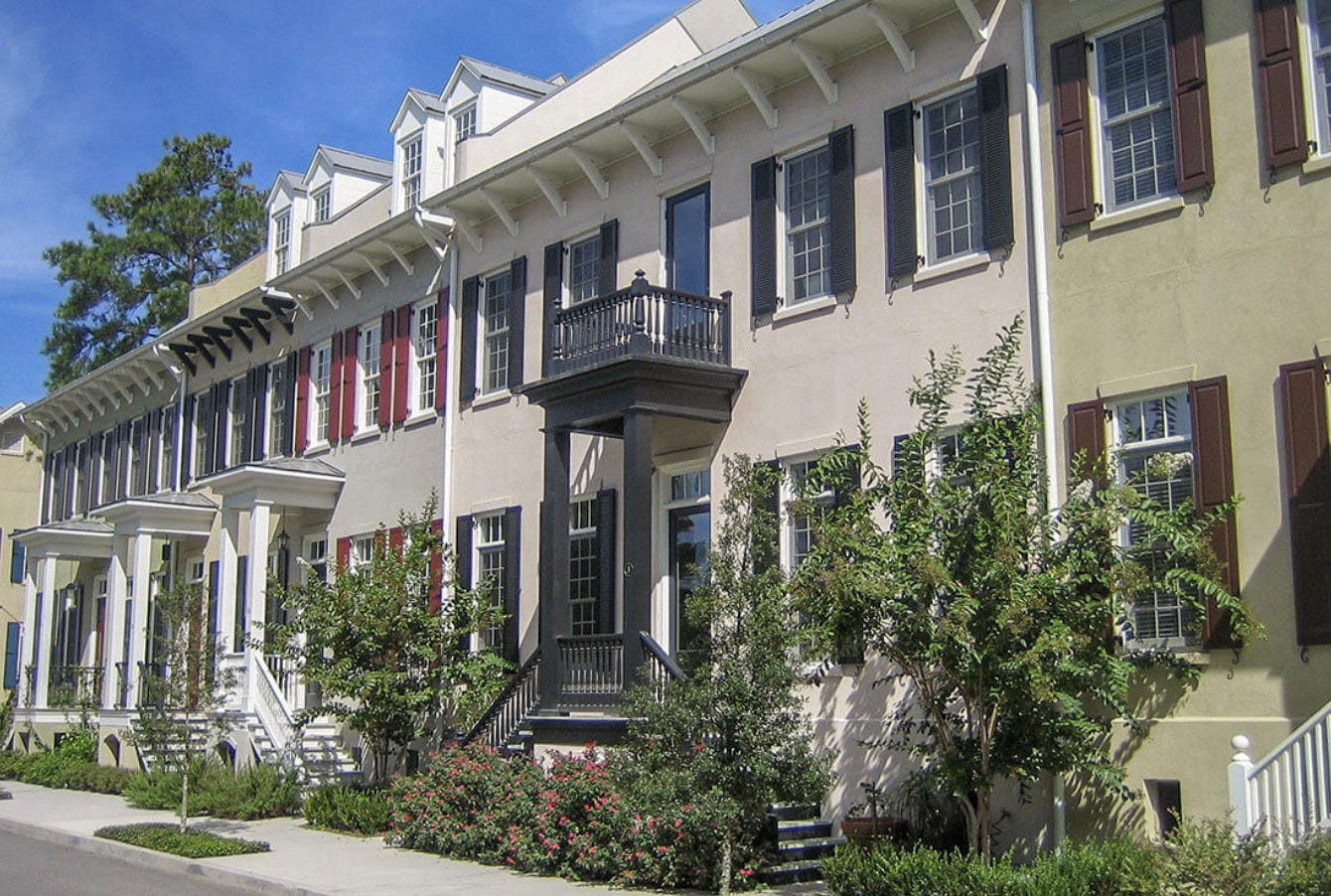
Photo credit: Missing Middle Housing
Homes built around shared space and flexibility
Other housing types focus more on how people live and interact. Cottage courts place small homes around a shared green space, creating a more community-oriented feel. Courtyard buildings do something similar at a slightly larger scale, with multiple units arranged around a central open space instead of private backyards. Accessory dwelling units, or ADUs, add flexibility by allowing a smaller second home on the same lot, like a garage apartment or backyard cottage.
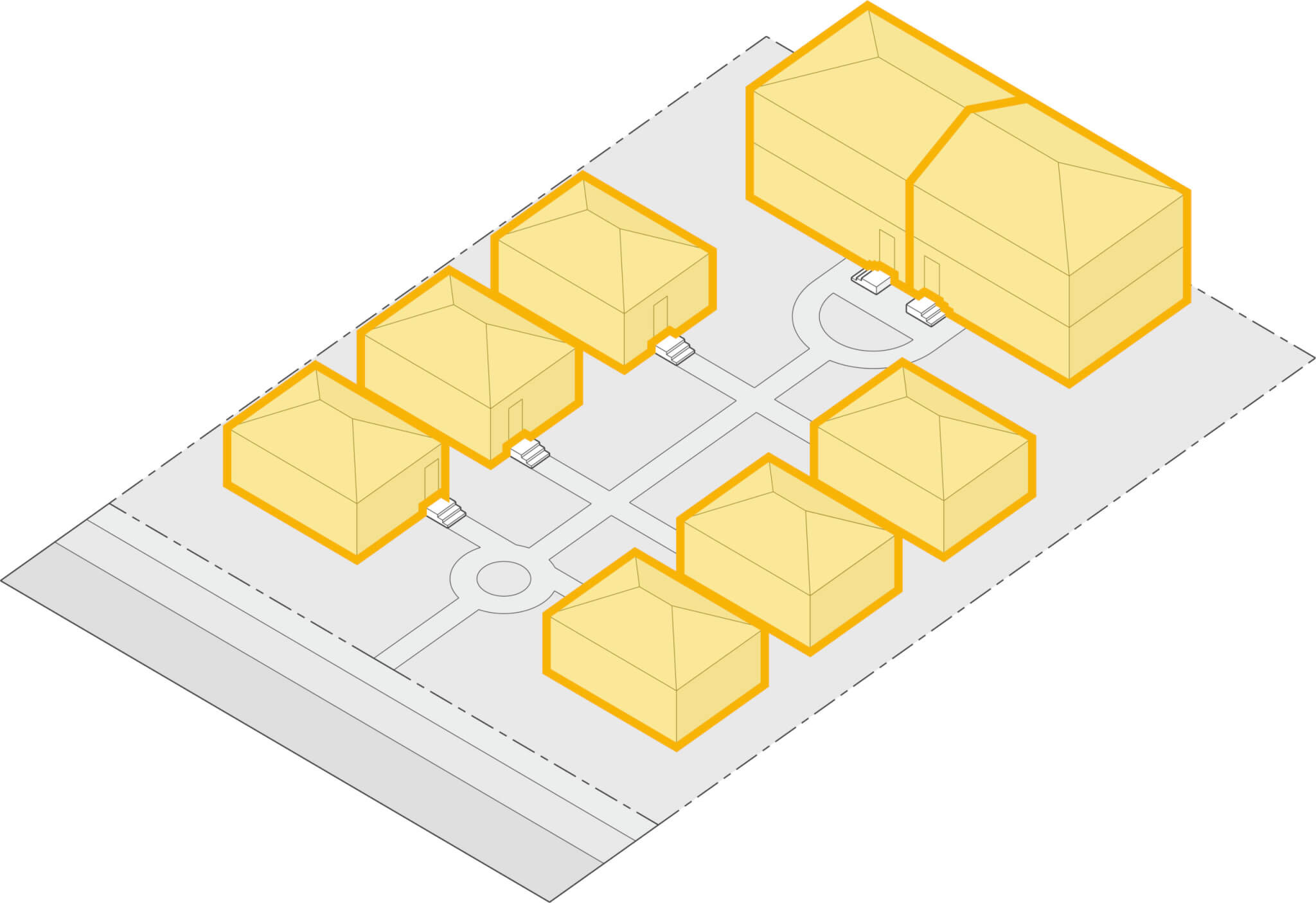
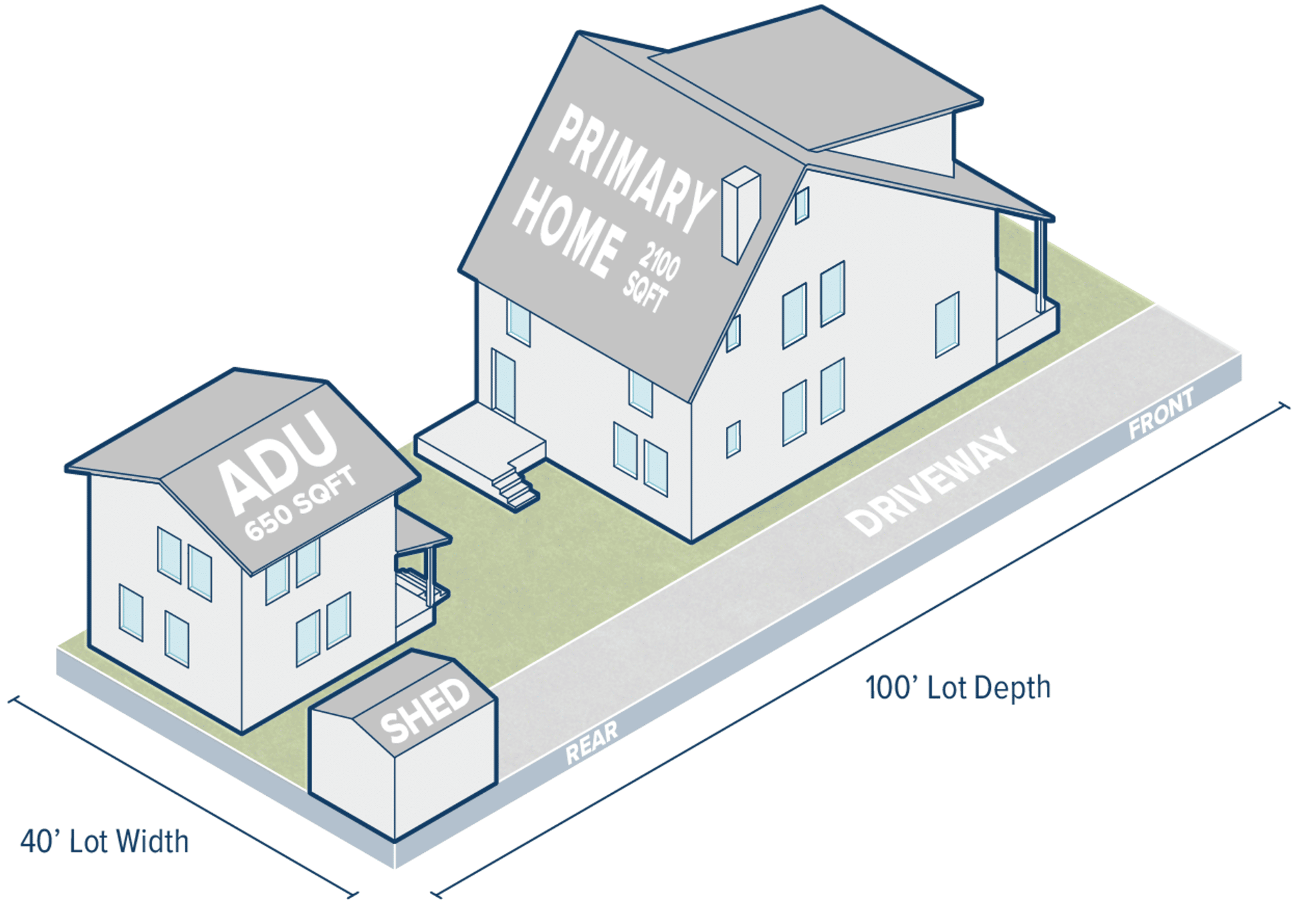
Photo credits: Missing Middle Housing (L: cottage court) and Regional Plan Association ( R: Accessory Dwelling Units)
These different types each play a role:
Duplexes and fourplexes help neighborhoods grow gradually
Townhomes make ownership possible in higher-demand areas
Courtyard housing and ADUs support flexibility, shared living, and multigenerational needs
Together, they create a mix of housing options that can better match how people actually live, at different incomes and stages of life.
How Texas Cities are Responding
Cities across Texas are beginning to recognize the need for a broader mix of housing types, though they are taking different approaches. Dallas recently adopted a “1 to 8 dwelling units” ordinance that allows small multi-unit buildings to be constructed under residential building codes instead of more expensive commercial standards. This removes a major cost barrier and makes it easier to build triplexes, fourplexes, and other small-scale housing at a time when the city is facing rapid population growth and increasing housing demand. San Antonio is also moving in this direction by studying the barriers that prevent these projects and exploring tools like fee waivers and predevelopment assistance to make them more feasible.
Houston, which does not have traditional zoning, has focused on adjusting development rules to allow more flexibility. Reforms to minimum lot sizes helped expand townhome development, and more recent changes through the Planning and Development Department’s Livable Places initiative have opened the door to a wider range of missing middle housing. These updates allow courtyard-style developments, ease restrictions on accessory dwelling units, and support small multi-unit housing by modifying parking, lot size, and design requirements. Together, these efforts aim to increase housing options while maintaining neighborhood character and improving walkability in a historically car-oriented city.
The Takeaway
Housing is not one-size-fits-all, and cities function best when they offer a range of options. Different housing types serve different roles within a community, from gently adding density to expanding access to homeownership to supporting multigenerational living. When these options are missing, the consequences show up in rising costs and limited choices. Expanding the range of housing types is not just about building more, but about building smarter, so communities can grow in ways that are both inclusive and adaptable.
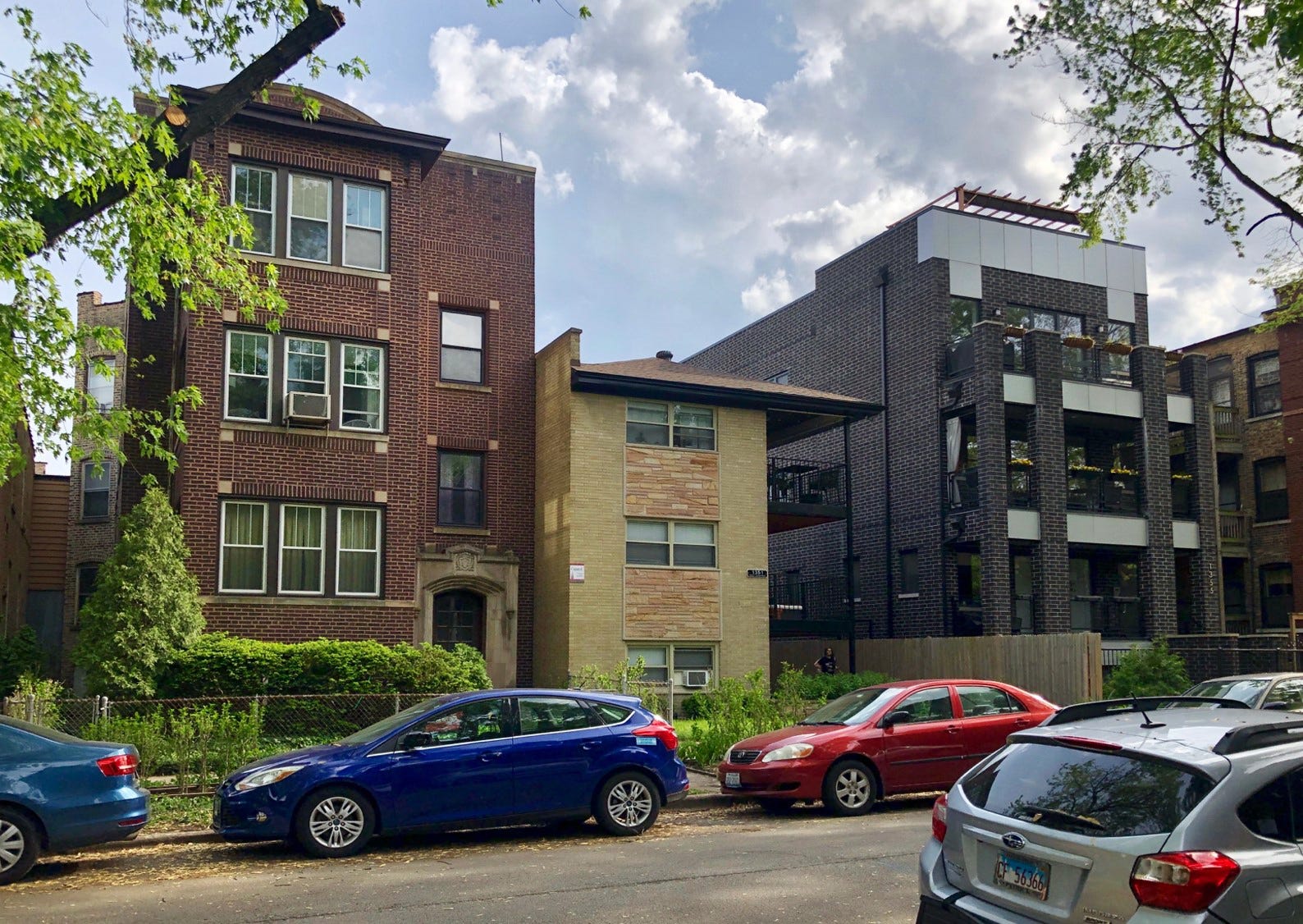
Photo credits: Place Economics
Written by Ruchi Tiwari
Edited by TFH Team